Faith Over Fear Graphic Design Review for Real Projects
As an experienced embroidery designer and product reviewer, I often come across digital designs that look great in theory but fall short when stitched into real-life products. The Faith Over Fear Graphic Design is one of those rare finds—visually compelling, thematically strong, and versatile enough to work well in a variety of embroidery projects. In this review, I’ll walk you through how it fits into your creative workflow, what to consider when using it, and where it truly shines.
First Impressions: A Bold Statement with Heart
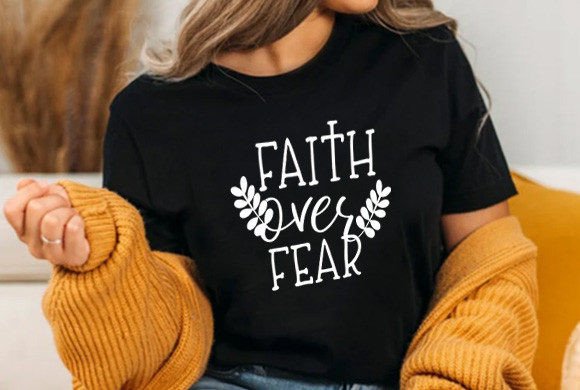
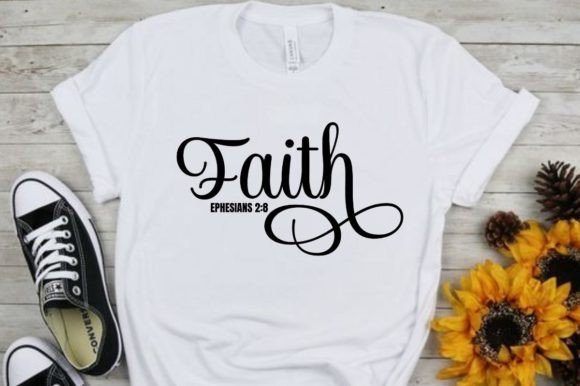
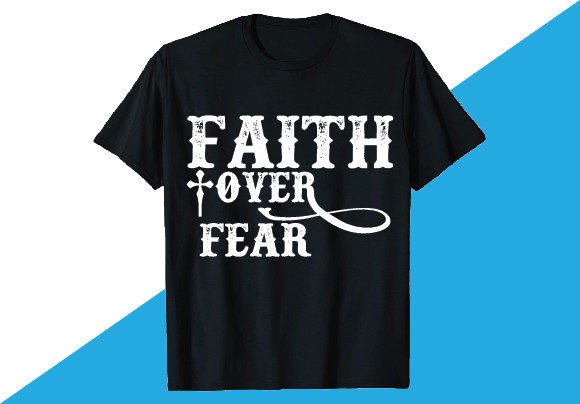
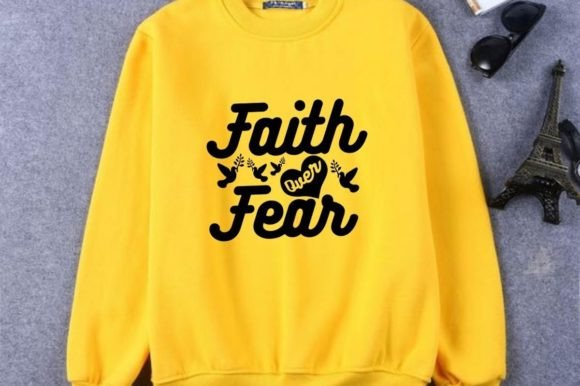
The moment I opened the digital embroidery file, I was struck by the clarity and intention behind the Faith over Fear design. It’s not just another cursive phrase or minimalist emblem—it tells a story. The layout is clean yet powerful, with the words “Faith” and “Fear” arranged in a way that immediately draws attention and conveys a message of hope and resilience.
The visual personality of this graphic leans toward bold typography with soft, flowing accents. It feels modern without being trendy, which makes it timeless in appeal. This kind of balance is crucial for any handmade product that needs to stand out while still feeling authentic and meaningful.
Design Details That Matter
What stands out most is how the design manages detail without overwhelming the fabric. There are subtle curves and flourishes around the letters that add dimension without becoming too intricate. This means it translates well from screen to stitch, especially when considering different applications like tote bag design or sweatshirt embroidery.
I also appreciate the thoughtfulness in the thread colors. The palette is limited enough to keep costs manageable but varied enough to allow customization. Whether you choose bright pastels for a baby item or deep, rich hues for a holiday gift, there’s flexibility here.
Real-World Applications and Performance
Let’s say you’re preparing a custom embroidered tote bag for a boutique launch. The Faith over Fear Graphic Design could be the perfect centerpiece. Its structure allows for easy resizing while maintaining readability. The shape is balanced, so it doesn’t feel cramped on a larger canvas or stretched on smaller ones.
When tested on a sweatshirt, the design held its form beautifully. The satin stitch along the edges gave a smooth, polished finish, while the fill stitch in the background provided texture without being too heavy. This makes it suitable for both casual wear and more upscale handmade items like personalized gifts or nursery decor.
Another practical use case I considered was applying the design to a patch. The lines are crisp enough to hold up when cut away after stitching, and the text remains legible even at a reduced scale. For embroidered patches, this is essential—especially if they're going to be sewn onto jackets or bags later.
This design also works surprisingly well as a wall art piece. When printed on a mockup or used in a printable format, the font choices and spacing give it a professional feel. It's a great addition to design assets for Etsy sellers who want to offer customizable prints or home décor items.
Where to Use It Carefully
While the Faith over Fear Graphic Design is highly adaptable, there are some situations where extra care is needed. For example, if you're working with small hoop sizes (like under 5 inches), you may need to simplify the design slightly to avoid losing key details. The original layout has enough character that trimming parts can still maintain the message, but precision matters here.
Textured fabrics like denim or felt can challenge the finer elements of the design. The soft curves might get lost or appear uneven after stitching. Always test the design on a scrap of your intended material first. Also, stretchy fabrics such as spandex blends may cause distortion unless you adjust the stitch density and stabilize properly.
If you plan to embroider this on dark-colored garments, make sure the thread color contrast is sufficient. Dark backgrounds can dull the impact of lighter threads, so consider using metallic or white thread variants for better visibility. On thin or lightweight materials like tea towels or pillow covers, a running stitch or open fill might be preferable to avoid bulkiness.
Curved Surfaces and Layered Garments
Embroidering on curved surfaces like caps or hats requires careful planning. While the design isn’t overly complex, the alignment and placement can affect the final result. If you're using it for cap embroidery, I recommend testing it on a similar-sized curved surface before committing to production.
Layered garments—such as vests worn over shirts—can also pose challenges. The design should be reviewed for stitch coverage to ensure it won’t dig into the underlying layers. Using a light stabilizer and adjusting the stitch density can help prevent this issue.
Impact on Product Value and Customer Perception
One of the biggest advantages of this design is how it elevates the visual appeal of your finished product. The message is universally positive and resonates well with customers looking for personal or spiritual meaning in their purchases. As an embroidery project, it adds a level of sophistication that speaks to both quality and intention.
In terms of brand consistency, the Faith over Fear Graphic Design is ideal for businesses that focus on empowering messages, wellness, or faith-based themes. It brings a sense of unity and purpose to your collection, whether you're an Etsy seller, a craft business, or creating holiday gifts.
Customers tend to react positively to this kind of statement design. It feels intentional, which increases product value and customer trust. People are more likely to engage with a personalized gift or a small shop product that carries a clear message and aesthetic appeal.
Handmade Presentation and Giftability
For hobbyists and makers, the design supports a high-quality handmade presentation. It looks polished when stitched correctly, which helps your creations stand out at craft fairs or in online marketplaces. The design’s simplicity also makes it accessible for beginners, while its thoughtful layout keeps it interesting for more advanced users.
When used on custom apparel, this design can serve as a conversation starter. It’s versatile enough for a wide audience—from teens to grandparents—and meaningful enough to become a favorite in gift collections. It’s a safe bet for commercial embroidery too, given its broad appeal and adaptability.
Designer Notes for Practical Success
- Test on Scrap Fabric: Before committing to a full project, always try the design on a sample of your target fabric to see how it behaves during stitching and after washing.
- Check Thread Color Contrast: Especially important for dark garments or delicate fabrics. You don’t want the design to fade or blend in unintentionally.
- Review Stitch Density: Depending on the fabric, you may need to tweak the density of the fill stitch or running stitch to prevent puckering or excessive bulk.
- Confirm Hoop Size: If you're unsure about the recommended hoop size, check the design specs. If unavailable, start with a mid-range hoop and adjust based on results.
- Inspect Small Details: The subtleties in the design matter. Make sure all elements remain visible and legible at the size you plan to use.
- Use Proper Stabilizer: Especially for stretchy or thin materials. Under-stabilizing can lead to distortion or misshapen lettering.
- Test in Black and White Mockups: This will help you understand how the design will perform with alternative thread color combinations.
- Compare Light and Dark Backgrounds: See how the design adapts visually. This helps in choosing the right color scheme for your target audience.
- Check Licensing Before Selling: Since this is a Freebies category design, always confirm the licensing terms to ensure it’s appropriate for commercial use.
Final Thoughts
Overall, the Faith over Fear Graphic Design is a solid choice for anyone looking to create meaningful, high-quality embroidery. It balances emotional resonance with technical usability, making it suitable for both personal and commercial projects. From machine embroidery designs to applique-style layouts, it offers flexibility without compromising on style.
That said, no design is one-size-fits-all. Be sure to evaluate the specifics of your project—fabric type, hoop size, thread availability, and customer expectations—to ensure the best outcome. With the right preparation and attention to detail, this design can become a standout feature in your next embroidery project, helping you build a stronger connection with your buyers and enhance your brand’s visual identity.
Whether you're an embroidery designer, a small shop owner, or someone exploring Graphics for the first time, take the time to understand how the design behaves in real-world conditions. Your customers—and your machine—will thank you for it.