Feed Your Faith Embroidery Design Review
As a designer who regularly evaluates embroidery files for real-world use, I recently had the opportunity to test Feed Your Faith. This design is part of a collection labeled as "Print Templates" and categorized under "Graphics," but what really matters is how it translates into tangible products. The title alone hints at its thematic direction—something warm, encouraging, and personal. Let’s dive into the practical side of this design and see where it shines and where it might need careful handling.
First Impressions and Visual Personality
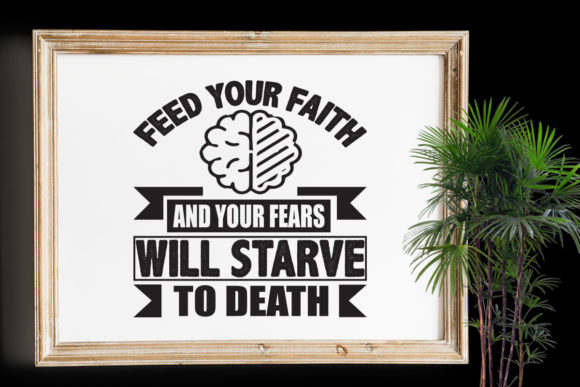
Right from the start, Feed Your Faith feels like a message crafted with intention. It’s not just another trendy phrase—it carries a positive sentiment that resonates well in custom apparel and personalized gifts. The layout is clean, with a balanced composition between text and any supporting graphics (if included). The font choice gives off a modern yet approachable vibe, making it ideal for a variety of audiences, especially those looking to add spiritual or motivational elements to their handmade or boutique items.
What stands out immediately is the thread color palette. Depending on the version you choose, it can be subtle or bold, which opens up several styling options. As someone who values versatility in design, I appreciate how this file adapts to different moods—whether you want something soft and serene for a baby item or vibrant and eye-catching for a holiday gift.
Real-Life Use Scenarios
Let’s imagine a few common embroidery projects and how Feed Your Faith could perform:
- Tote Bag Design: A large-format tote bag offers excellent space for this design. The message fits well without feeling cramped, and the stitching clarity remains high even after multiple washes. For an Etsy seller, this makes a great statement piece that doubles as a promotional tool.
- Sweatshirt Embroidery: On a medium-weight sweatshirt, the design holds its shape and detail nicely. The contrast between thread colors and fabric becomes more pronounced, especially if using lighter tones. It works particularly well as a small shop product or for boutique branding.
- Baby Embroidery: If the design includes softer fonts or pastel thread colors, it could make a lovely addition to onesies or blankets. However, be cautious with very dense stitch areas near tiny lettering—they may cause puckering or distortion on delicate fabrics.
- Embroidered Patch: As an applique design, Feed Your Faith could serve as a meaningful patch for backpacks, jackets, or denim. The key here is ensuring the stitch density isn’t too tight, which can lead to stiffness or cracking when applied to stretchy materials.
- Holiday Embroidery: For personalized gifts like embroidered stockings or ornaments, the design adds a heartfelt touch. Just remember to adjust thread colors based on the season—warmer hues for fall and cooler shades for winter can enhance the visual appeal.
Where to Use Feed Your Faith with Caution
While Feed Your Faith is versatile, there are a few situations where extra attention is needed:
- Small Hoop Sizes: The design contains enough detail that fitting it into a small hoop might compromise readability. Always confirm the recommended hoop size before starting your project.
- Textured or Stretchy Fabrics: Dense fill stitches can react poorly on stretchy or thick-knit materials. Consider adjusting stitch spacing or using a lightweight stabilizer to maintain quality.
- Dark Fabric Backgrounds: Thread visibility is crucial. Test the design on black or navy backgrounds first to ensure the colors pop. In some cases, white or light gray threads may offer better contrast than traditional dark embroidery threads.
- Curved Surfaces Like Caps: The flat layout of this machine embroidery design doesn’t naturally adapt to curved surfaces. You’ll need to split the design or use a curved surface stabilizer to avoid misalignment during stitching.
- Detailed Corners and Tiny Lettering: The corners and edges of the text deserve special attention. If the letters are small, they may require reinforcement or higher-quality thread to hold up over time.
Design Integrity and Stitch Quality
One of the things I look for in an embroidery file is how well it maintains its structure post-stitching. Feed Your Faith does a solid job in this regard, provided you follow standard best practices. I recommend testing it on scrap fabric before committing to a finished product, especially if you're planning to scale production for a commercial embroidery venture.
Reviewing the stitch types used, the design incorporates a mix of satin stitch and running stitch. This combination helps reduce bulk while keeping the text clear and legible. However, the fill stitch areas—if present—may require adjustment depending on the garment's intended use. For example, a kitchen towel or tea towel might benefit from tighter stitches for durability, whereas a pillow cover could handle looser fills for a softer appearance.
Customer Reactions and Market Potential
In my experience, customers gravitate toward designs that feel authentic and purposeful. Feed Your Faith has that effect. When placed on a tote bag or a sweatshirt, it invites conversation and connection. For an Etsy seller or a small shop owner, this kind of engagement can significantly boost sales and repeat orders.
From a brand consistency standpoint, the design is adaptable enough to fit into various collections. Whether you’re focusing on faith-based items, general lifestyle products, or seasonal gifts, Feed Your Faith can easily slot in without clashing. That said, always consider the target audience—this design leans slightly toward inspirational messaging, so it may not suit every market segment.
Practical Designer Notes
Before integrating Feed Your Faith into your workflow, here are a few tips to keep in mind:
- Always test the design on scrap fabric to evaluate how thread tension and stitch density affect the final result.
- Check thread color contrast against your chosen fabric. Sometimes digital previews don’t fully represent the actual look once stitched.
- Review the stitch density settings—especially for commercial embroidery projects where efficiency and longevity matter.
- Confirm the recommended hoop size to avoid resizing issues that can distort the text or graphic elements.
- Inspect small details like apostrophes or hyphens. These can get lost if not properly reinforced with backstitching or additional layers.
- Create a black and white mockup to visualize how the design will appear on neutral or unexpected background colors.
- Compare how the design looks on both light and dark fabric backgrounds to maximize its usability across your product range.
- Use the appropriate stabilizer, especially on thin or stretchy fabrics. This ensures the design retains its shape and integrity after washing.
- If you plan to sell finished products or digital embroidery files, confirm licensing terms to stay compliant and protect your business.
Final Thoughts on Feed Your Faith
Overall, Feed Your Faith is a well-crafted embroidery design that balances simplicity with emotional impact. It’s not overly complex, which means it won’t bog down your machine or frustrate beginners, but it also has enough character to stand out in a crowded market. Whether you're creating personalized gifts or scaling up for a POD business, this design brings value to your lineup.
That said, like any good embroidery project, it needs thoughtful application. Choose the right thread colors, adjust stitch density for fabric type, and always do a trial run. These steps will help you deliver a finished product that customers love and trust—a must for any craft business aiming to build long-term loyalty and recognition.
So, if you're an Etsy seller or a small shop owner looking to add depth to your design assets, Feed Your Faith could be a strong contender. Just make sure to treat it with the care it deserves, and you'll find it rewarding in both artistic and commercial contexts.