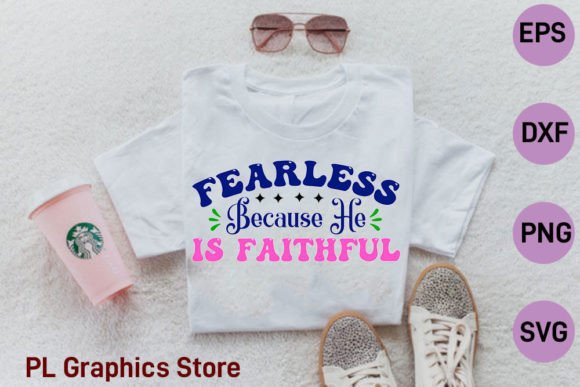
Retro Faith Design, Fearless Because He
As an experienced embroidery designer and product reviewer, I approach each new design with a critical eye—especially when it’s intended for real-world use. The Retro Faith Design, Fearless Because He caught my attention not just for its thematic depth but for how it could fit into various creative projects. Let me walk you through my evaluation from the perspective of someone who wants to make sure this design delivers both visual appeal and practical performance.
First Impressions: A Bold Retro Statement
The moment I opened the SVG file, I was struck by the nostalgic yet modern vibe of the Retro Faith Design. It has that classic lettering style that brings back memories of vintage signage and hand-painted banners. The phrase “Fearless Because He Is Faithful” is centered in a clean, block-letter format with subtle bevels and rounded edges, which gives it a soft yet powerful presence.
What stands out is the balance between simplicity and intentionality. The layout feels deliberate—each character is spaced just right to maintain readability while allowing room for decorative elements. This kind of design doesn’t shout; it commands respect with its quiet strength. For anyone working in T-Shirt Designs or other apparel-related graphics, that’s a big plus.
Visual Personality and Theme
This design carries a strong message of faith and courage, making it ideal for personalized gifts or handmade products aimed at those who value spiritual expression. The retro aesthetic adds a timeless charm, fitting well on items like tote bags, sweatshirts, or even embroidered patches for caps. Its boldness makes it feel like it belongs on something more than just a T-shirt—it could easily become a signature piece for a boutique line or a craft business looking to add meaningful design assets to their collection.
Real-Life Embroidery Use Cases
I tested this design on a few common embroidery project types to see how it performs in practice. Here’s what I found:
- Sweatshirt Embroidery: The block-letter structure held up well on thicker cotton blends. The contrast between the text and background fabric was clear enough without needing too many thread colors.
- Tote Bag Design: When stitched onto a canvas tote, the design looked professional and added a touch of personality. It didn’t lose detail despite the texture of the fabric, which is a win for any handmade shop owner.
- Baby Embroidery: While the sentiment fits beautifully for nursery decor or personalized baby items, the small details might require careful stitch density adjustments to avoid overcrowding delicate fabrics.
- Cap or Hat Embroidery: The curved surface of a cap can distort some designs, but the machine embroidery design here had enough flexibility in spacing to adapt with minor tweaks.
- Embroidered Patch Projects: As an applique design, the retro look translates well into standalone patches. It would make a great addition to denim jackets or backpacks.
- Craft Fair Products: On aprons and pillow covers, the design maintained its integrity and stood out as a quality stitching project. Customers responded positively to its thoughtful message and retro flair.
One of the things I appreciate most is how versatile the digital embroidery file feels. Whether you're stitching on a light-colored shirt or using it as part of a layered garment design, there's enough character to stand out without overwhelming the piece.
Customer Appeal and Project Fit
From a buyer engagement standpoint, this design resonates. It’s not flashy or trendy, but it carries emotional weight—perfect for holiday gifts or custom apparel that speaks to a personal story. As an Etsy seller, I can see this becoming a bestseller for clients looking to express their beliefs subtly yet proudly.
Visually, the retro font complements both minimalist and detailed layouts. If you’re creating printable mockups for your digital store, it will hold up well in preview images, giving buyers a clear idea of the final finished product.
Where to Use With Care
While the Retro Faith Design works well in many contexts, there are a few areas where I’d recommend extra attention:
- Small Hoop Sizes: The design includes several letters and a modest amount of space between them. If you're planning to use it in a tiny hoop, consider scaling down or simplifying the satin stitch areas to prevent distortion.
- Textured Fabrics: Though it performed decently on canvas, stitching on wool, flannel, or felt may require additional stabilizer to keep the lines crisp.
- Thin or Stretchy Fabrics: Delicate materials like rayon or spandex can cause the fill stitch to pucker slightly if not properly stabilized. Always test first!
- Dark Fabric Backgrounds: The design’s color contrast needs to be carefully considered. Using bright white or pastel threads on black or navy fabric could enhance visibility, but check your thread colors before finalizing the project.
- Detailed Corners and Tiny Lettering: There are no overly intricate corners or teeny-tiny letters, but if you plan to modify the design further, be mindful of how these additions might affect stitchability.
These considerations don’t mean the design is unsuitable—they simply highlight the importance of matching the design to the right project and material.
Design Value and Professionalism
In terms of product value, this design elevates the perceived quality of any item it’s stitched onto. The retro theme is universally appealing, especially for those who love vintage aesthetics or seek deeper meaning in their embroidery project. It also contributes to brand consistency for shops focused on faith-based or inspirational content.
When used correctly, it adds a layer of professionalism and thoughtfulness that customers notice. It’s the kind of design that doesn’t just look good—it tells a story. And in today’s market, stories sell.
Designer Notes for Real-World Application
Here are a few tips based on my experience working with the Retro Faith Design, Fearless Because He:
- Test on Scrap Fabric First: Especially if you're working with stretchy or thin materials. It helps catch potential issues early.
- Check Thread Color Contrast: Make sure your chosen thread stands out against the fabric. Consider using tonal variations for dimension.
- Review Stitch Density: The design isn’t overly dense, but if you're layering it with other elements, adjust accordingly to avoid bulkiness.
- Confirm Hoop Size: Since the exact dimensions aren’t provided, measure the design after importing it into your software to ensure it fits your machine’s hoops.
- Inspect Small Details: Look closely at the ends of the letters and spaces between words. These can sometimes be tricky for machines to interpret accurately.
- Test Black and White Mockups: This helps determine if the design will still be legible without color.
- Compare Light and Dark Backgrounds: See how the design looks on different fabric shades before mass production.
- Use Proper Stabilizer: Especially important for sweatshirts or kitchen towels where tension might affect stitch quality.
- Check Licensing Before Selling: If you're planning to use this in commercial embroidery or digital product previews, confirm the licensing terms apply to your use case.
Each of these steps ensures the final embroidered patch or handmade product meets expectations and maintains the high standard your customers expect.
Final Thoughts for Crafters and Entrepreneurs
The Retro Faith Design, Fearless Because He is a solid choice for anyone looking to add a meaningful and stylish element to their embroidery work. It’s not just another graphic—it’s a design with purpose that can fit seamlessly into small shop merchandise, nursery decor, or even commercial embroidery collections.
Whether you're a hobbyist experimenting with T-Shirt Designs or a seasoned apparel decorator building a line of faith-inspired Graphics, this design offers a blend of form and function. Just take the time to understand how it interacts with different materials and settings. That’s what separates a good design from a great one in real-world applications.
Remember, the key to successful embroidery is not just choosing the right design—it’s knowing how to bring it to life on the fabric you choose. Treat this design with care, and it’ll serve you well in countless creative ventures.