Reviewing Faith-fear: A Balanced Embroidery Design for Real Projects
As an experienced embroidery designer and product reviewer, I often find myself evaluating new digital designs to determine their practicality, versatility, and visual impact in real-world applications. When I first laid eyes on Faith-fear, the design immediately caught my attention—not because it screamed “buy me,” but because it had a quiet confidence that suggested it could work well across multiple formats and products.
First Impressions: Mood and Visual Personality
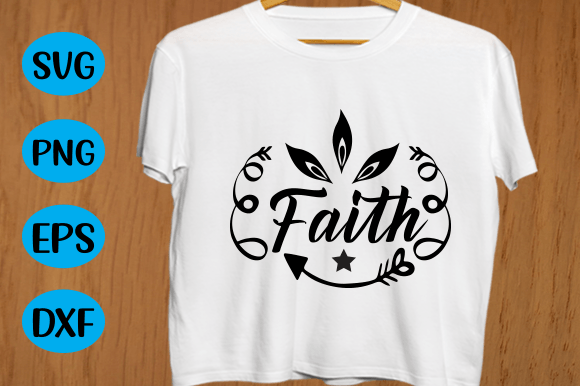
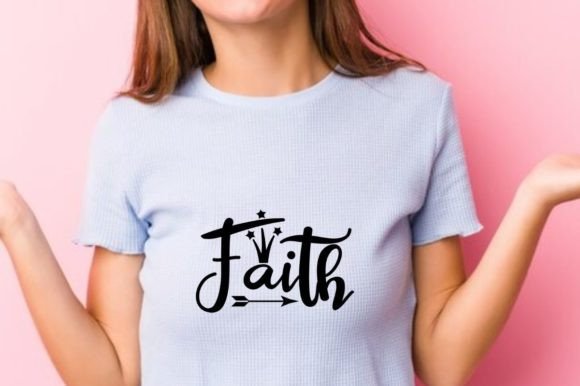
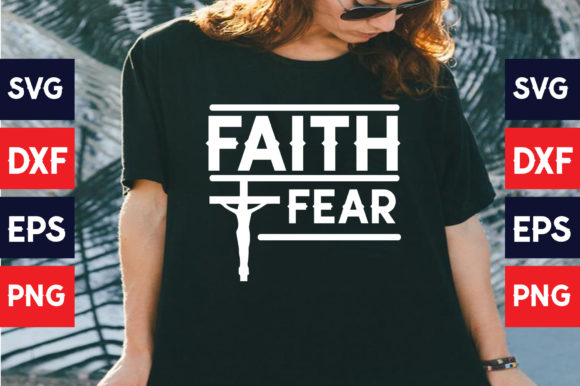
Faith-fear is a design with emotional depth. It combines clean typography with subtle graphic elements that evoke introspection and boldness at the same time. The layout is balanced, with enough negative space to let the words breathe while still feeling cohesive and intentional. This makes it ideal for projects where you want to communicate a message without overwhelming the viewer or the fabric.
The detail level is moderate—just right for most embroidery machines. It doesn’t rely on overly intricate lines or tiny lettering that might get lost in translation during stitching. Instead, it uses soft curves and solid shapes that translate well into stitch patterns like satin or running stitches. The theme feels both modern and timeless, which gives it broad appeal and adaptability for various customer bases.
Where It Fits Naturally
This design seems to belong particularly well on custom apparel and personalized gifts. Think of it as a perfect candidate for sweatshirts, tote bags, or even baby clothes—items where a meaningful phrase can elevate the product from ordinary to thoughtful. The simplicity of the layout also makes it a strong contender for embroidered patches or aprons, especially if the goal is to create a subtle yet impactful brand or sentiment marker.
Real-Life Performance: From Hoop to Handmade Product
Let’s say you’re preparing a batch of custom embroidered tote bags for a holiday gift collection. You’d start by importing the SVG, DXF, EPS, and PNG files into your embroidery software. Right away, you’ll notice that Faith-fear is easy to manipulate—its structure allows for resizing and repositioning without distorting the core elements. That’s a big plus when tailoring the design to fit different product sizes and styles.
When stitched out, the design holds up impressively. The letters have a consistent width and height, making them suitable for satin stitch treatments. If you choose to add fill stitch elements around the text, they don’t become too busy, maintaining a professional look. For a tote bag, this means the phrase won’t appear cluttered or lose its clarity after repeated use and washing.
In sweatshirt embroidery, Faith-fear shines even more. The soft curves are kinder to knit fabrics than angular fonts, reducing the risk of distortion. Its muted tone works well with tonal thread choices, letting the garment speak for itself while still delivering a clear message. As an Etsy seller or small shop owner, this kind of subtlety can make your handmade product feel more curated and less mass-produced.
If you're working with a baby item, such as a onesie or sleeper, the design's gentle appearance fits the theme perfectly. The lack of aggressive edges or dense stitch areas ensures it won't irritate delicate skin, and the clean presentation aligns with the minimalist aesthetic many parents prefer today.
Use Cases Where Caution Is Advised
While Faith-fear has a lot going for it, there are certain scenarios where you should take extra care. On small hoop sizes, for example, the design may feel cramped unless you carefully adjust the layout and scale. Textured fabrics like canvas or linen can cause slight variations in stitch definition, so test runs are key here.
Thin or stretchy fabrics may not hold up as well under heavier stitch density, especially if the design includes outlines or borders. Dark fabric backgrounds could also challenge visibility, so experimenting with thread colors is essential before finalizing a production run.
For curved surfaces like caps or hats, the alignment of the text might require some tweaking. Unlike logos or monograms that wrap easily around a shape, this design needs careful placement to maintain legibility and balance. Similarly, if you plan to use it on layered garments or items with detailed corners (like pillow covers), you'll need to ensure the stabilizer and tension settings are optimized to avoid puckering or misalignment.
Visual Appeal and Customer Reaction
One of the strongest aspects of Faith-fear is its visual appeal. It conveys a sense of strength and vulnerability, making it emotionally resonant for customers. Whether it's a personalized gift or part of a boutique branding strategy, the design adds a layer of meaning that people respond to.
Customers tend to appreciate designs that feel authentic and purposeful. Faith-fear achieves this by avoiding clichés and sticking to a clean, readable format. It doesn’t shout; it invites reflection. This can enhance the perceived value of your finished product, especially in niches like spiritual gifts, mental health awareness, or motivational merchandise.
Practical Notes for Embroidery Designers and Crafters
- Test on scrap fabric first: Especially if you're planning to use it on a variety of materials or for commercial embroidery purposes.
- Check thread color contrast: Use the provided PNG preview to simulate how it will look on light versus dark backgrounds.
- Review stitch density: Adjust fill and satin stitches depending on the fabric type and desired outcome.
- Confirm hoop size: If you're working with smaller products like patches or tea towels, make sure the design fits within your machine’s limitations.
- Inspect small details: Even though the design isn’t overly complex, subtle elements like serifs or decorative accents may need extra attention.
- Test in black and white mockups: This helps you evaluate how the design functions without color influence.
- Use proper stabilizer: Especially important for thin or stretchy materials where stability affects stitch quality.
- Check licensing: Before selling finished items or digital embroidery files, confirm whether the design is appropriate for commercial use.
Design Asset Value and Brand Consistency
As a graphics-based embroidery file, Faith-fear offers great flexibility. It works equally well as an applique design or standalone embroidery element. Its neutral tone and adaptable style make it a good choice for maintaining brand consistency across a range of products—from tote bags to holiday gifts.
What stands out is how the design elevates the buyer engagement factor. People connect with phrases that mirror their inner thoughts or values. As a result, using Faith-fear on personalized gifts or custom apparel can increase customer satisfaction and encourage repeat purchases.
Final Thoughts: A Thoughtful Addition to Your Embroidery Toolkit
Faith-fear is one of those rare embroidery designs that manages to be both versatile and visually grounded. It doesn’t demand attention, but it earns it through its quiet strength and readability. Whether you're an Etsy seller looking to expand your offerings or a craft business owner wanting to add meaningful design assets to your portfolio, this is a solid option.
However, as always, the devil is in the details. Take the time to experiment with different thread combinations, fabric types, and stitch densities. Remember that every machine embroiderer knows the best results come from testing and adaptation. Once you’ve done that, you’ll likely find that Faith-fear enhances the professionalism and giftability of your handmade product line-up.
In short, Faith-fear is a reliable, mood-aware design that deserves a place in your creative arsenal—if used with intention and care.