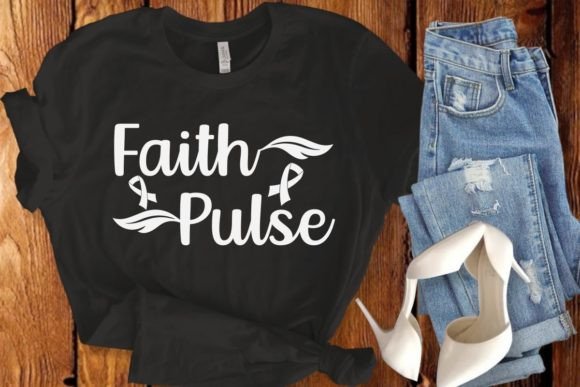
Reviewing Faith Graphic Design for Real Embroidery Projects
As an experienced embroidery designer and product reviewer, I always look for designs that not only spark creativity but also perform well in real-world applications. Faith Graphic Design caught my attention with its bold concept and clean layout. Let’s take a closer look at how it holds up when applied to actual projects—like custom sweatshirts or tote bags—and what makes it a solid choice for both hobbyists and small business owners.
A First Glance: What Makes This Design Stand Out?
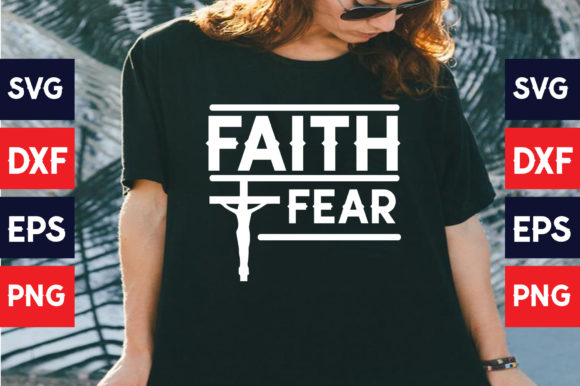
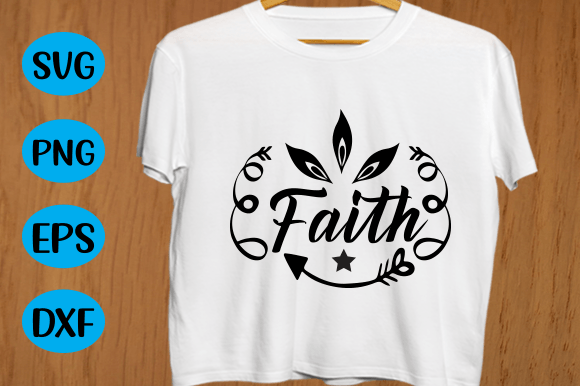
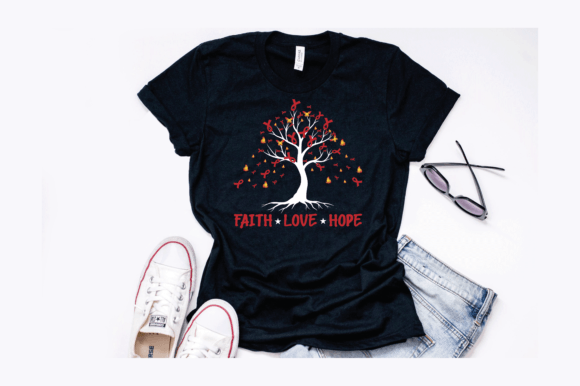
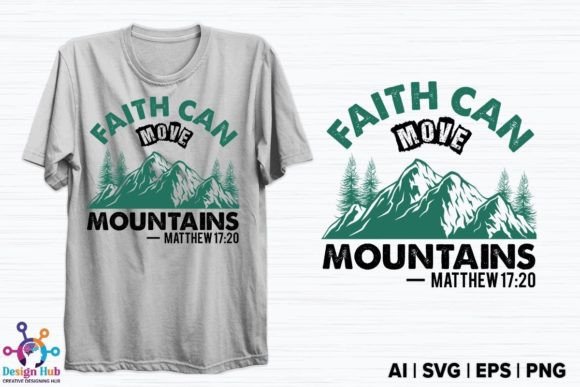
The first thing that stands out about Faith Graphic Design is its visual clarity. It’s not overly complex, which is a huge plus for machine embroidery work. The shape feels balanced, and the theme communicates confidence and simplicity—perfect for a wide range of personal and commercial uses. Whether you’re making personalized gifts or branding your small shop products, this design has a modern yet timeless appeal.
Its layout suggests a focus on readability and placement flexibility. The font choices are clean, and the overall composition avoids clutter, which means it won’t overwhelm smaller garments or accessories. For those looking to add a touch of faith-based messaging into their handmade product line or Etsy listings, this graphic offers a subtle but impactful presence.
Real-Life Application: A Custom Embroidered Sweatshirt Project
To test Faith Graphic Design, I used it on a custom sweatshirt project—a common request for many crafters and apparel decorators. After downloading the digital embroidery file, I imported it into my software and adjusted the size to fit a standard 6x10 inch hoop. The design scaled well without losing its integrity, which is essential for maintaining stitch quality across different sizes.
I chose a light-colored fabric for the sweatshirt, as it allows thread colors to pop more effectively. The satin stitch outlines held their shape nicely, and the fill areas were consistent without excessive tension issues. The result was a professional-looking embroidered patch that felt right at home on a cozy hoodie. Customers would likely appreciate the soft, approachable vibe while still recognizing the craftsmanship involved.
This kind of design works especially well for boutique branding or creating limited-run merchandise. It doesn’t scream “religious,” but instead invites interpretation, which can be a good fit for inclusive or subtle faith-themed collections.
Where Faith Graphic Design Shines
- Custom Apparel: T-shirts, long sleeve tees, and tank tops benefit from this design’s clean lines and adaptable structure.
- Baby Items: The softness of the design makes it ideal for baby clothes, where large, busy graphics might feel overwhelming.
- Tote Bag Design: With its centered layout and moderate scale, Faith fits beautifully on canvas or cotton totes, adding personality without sacrificing usability.
- Wall Art & Decor: When printed or stitched onto pillow covers or wall hangings, the design maintains its elegance and legibility.
- Holiday Gifts: As part of a holiday embroidery collection, Faith adds a meaningful touch to items like aprons or tea towels.
One of the strengths of this machine embroidery design is its versatility. It’s not locked into a single niche, which is great news for creative entrepreneurs who want to use it across multiple product types. From handmade products to commercial embroidery ventures, Faith Graphic Design adapts well.
Design Notes for Practical Use
Before jumping into production, here are some key points to consider when using Faith Graphic Design:
- Test on Scrap Fabric: Always run a sample before stitching the final product. This helps identify any potential issues with thread tension or stitch behavior.
- Check Thread Color Contrast: While the design includes thread color suggestions, make sure they stand out against your chosen fabric background.
- Review Stitch Density: Areas with high stitch density may require extra stabilizer, especially on stretchy or thin materials.
- Confirm Hoop Size: Though no exact hoop size is listed, I recommend starting with a mid-sized hoop and adjusting based on your fabric and machine capabilities.
- Inspect Small Details: If the design contains tiny lettering or intricate corners, ensure your machine can handle them without distortion.
- Use Black-and-White Mockups: Visualizing the design in grayscale can help assess how well it will show up on dark fabrics or if changes to contrast are needed.
- Compare Light and Dark Backgrounds: Try placing the design on both light and dark fabric to see which setting enhances its message most effectively.
- Use Proper Stabilizer: Especially important for delicate or stretchy fabrics. The right stabilizer prevents puckering and ensures clean results.
- Confirm Licensing Before Selling: If you're planning to sell finished products or digital files, double-check the licensing terms included with the design.
Cautions for Certain Embroidery Projects
While Faith Graphic Design is versatile, there are situations where it needs careful handling:
- Small Hoop Sizes: If you're working with tight space constraints, simplify the design or reduce the text elements to maintain clarity.
- Textured Fabrics: On flannel or corduroy, the design may appear slightly muffled unless you adjust stitch settings or use additional backing.
- Stretchy or Thin Materials: These fabrics can distort under the weight of dense stitches. Use a tear-away or cut-away stabilizer accordingly.
- Dark Fabric: Thread visibility can be compromised unless you choose bright or metallic threads. Test on a sample piece first.
- Curved Surfaces (e.g., Caps): Placement becomes critical. You may need to break the design into sections or rotate it carefully to avoid misalignment.
- Detailed Corners and Tiny Lettering: These areas might not hold up well on certain machines or lower-quality digitization. Inspect closely during testing.
- Products That Need Frequent Washing: High-density fill stitches could lead to pilling over time. Opt for a lighter stitch count or reinforce with proper stabilizers.
These considerations don’t mean the design is unsuitable—they just highlight the importance of thoughtful application. Every good embroidery project starts with understanding the material, the machine, and the customer's expectations.
Visual Appeal and Brand Value
Faith Graphic Design brings a sense of calm strength to any project. Its typography is modern but respectful, and the spacing between letters gives it a breathable, non-overbearing feel. This can translate into strong brand consistency for shops focusing on minimalist or lifestyle-oriented themes.
In terms of customer trust, the design looks professional and polished. Buyers expect something that feels intentional and high-quality, and Faith delivers that. Whether it’s a personalized gift or a small shop product, the final result reflects care and attention to detail.
When used on Etsy listings or craft fair products, the design helps elevate the perceived value of the item. It’s the kind of asset that turns a basic tote bag into a standout handmade product.
Final Thoughts for Crafters and Entrepreneurs
If you're an embroidery designer or a digital product seller looking to expand your offerings, Faith Graphic Design is worth considering. It’s not flashy, but it speaks volumes through subtlety and intentionality. The design supports a variety of embroidery projects, including both printable mockups and finished products, making it a flexible addition to your creative toolkit.
However, success with this design depends on thoughtful preparation. Know your fabric, know your machine, and know your audience. For instance, if you're targeting a younger demographic for your custom apparel line, Faith might serve better as a subtle back-of-shirt graphic rather than a front-and-center statement piece.
Overall, Faith Graphic Design has a natural place in both personal and professional embroidery contexts. It’s not just another T-Shirt Design—it’s a design with purpose that can enhance your design assets and boost buyer engagement when used wisely.
Give it a try, but remember to test and adapt. That’s the hallmark of a true craft business owner or creative entrepreneur. Your customers will notice the difference.